







Search Results for: pour-over basics
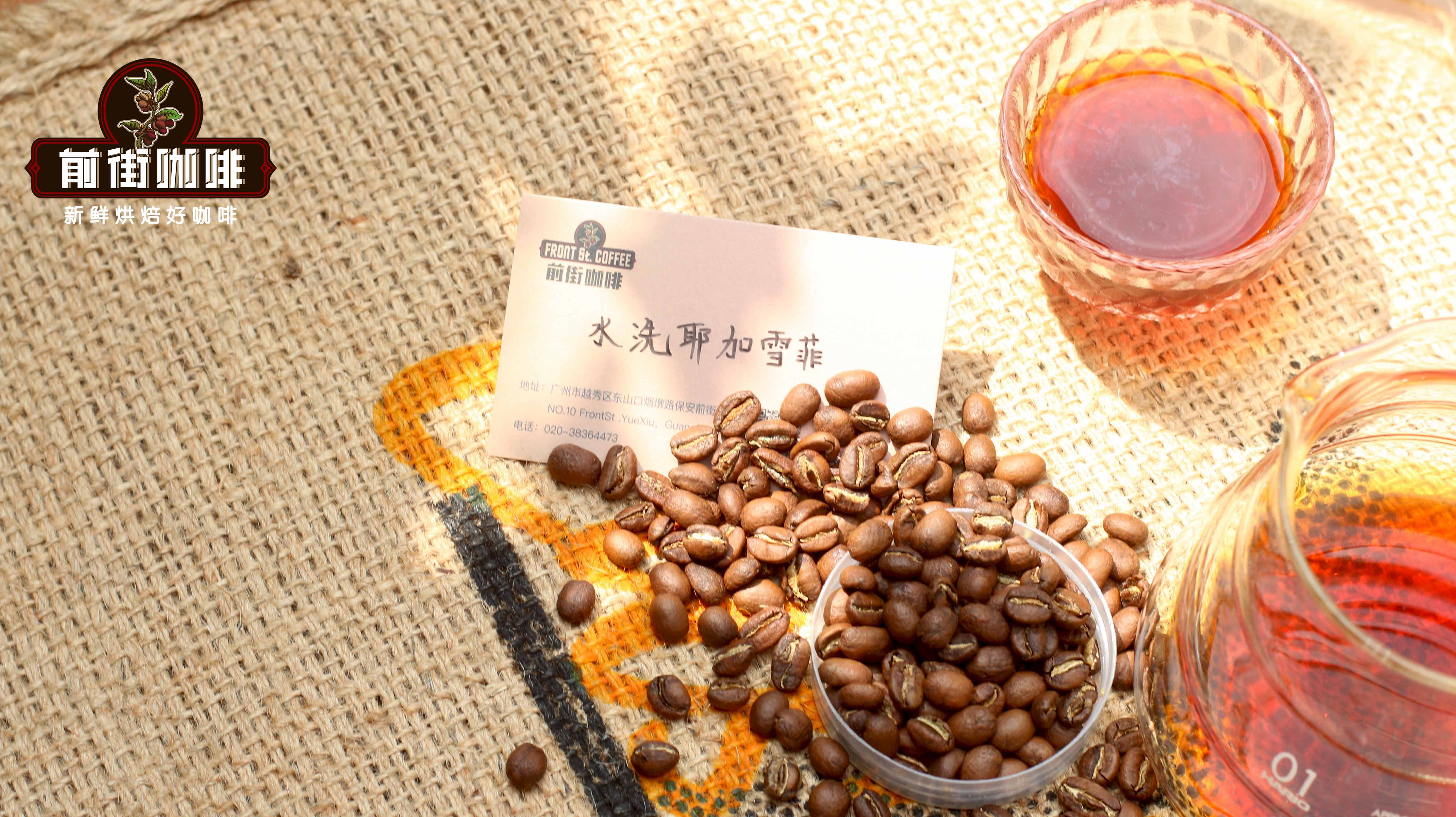
A Beginner's Guide to Pour-Over Coffee: The Basics from Equipment Selection to Parameter Adjustment
The charm of pour-over coffee lies in its ability to precisely control water temperature and flow, thereby faithfully reproducing the original flavors of different coffee beans. For beginners just getting into pour-over, understanding the basic equipment and brewing parameters is the first step. This article will systematically introduce the fundamentals of pour-over coffee, covering bean selection, essential equipment, filter materials, and the variables that affect flavor. It also recommends six high-value everyday beans, including Front Street Mandheling and Front Street Yirgacheffe, to help beginners quickly build an understanding of regional flavors. Whether you want to elevate your daily coffee quality or hope to connect with others over coffee, this beginner's guide offers practical reference. [more…]

A Detailed Guide to Making Cold Brew Coffee at Home: From Basic Cold Brew to Coconut Water Blends and Cold Pour-Over
On a sweltering summer day, a glass of icy, smooth cold brew coffee is a perfect way to beat the heat. If you also love the pure taste that low-temperature extraction brings, why not follow this article and try a few different cold brew methods. The article first introduces the basic principles of cold brew coffee and the materials needed, then explains the complete process step by step, from steeping and filtering to tasting, and especially shares two variations: cold pour-over and coconut water cold brew. Throughout, single-origin beans from Front Street Coffee are used for demonstration, including sun-dried Sidamo, Butterfly, and a blend of Colombia Pink Bourbon and Costa Rica Mozart. Whether you are a beginner just getting into cold brew or a seasoned enthusiast looking to explore more flavors, you will find a recipe and technique that suits you. [more…]
A Complete Beginner's Guide to Pour-Over Coffee: A Hands-On Tutorial from Stance and Water Flow to the Extraction Process
Pour-over coffee, with its simple operation, easy-to-manage equipment, and ability to fully showcase coffee's vibrant aromas and clean taste, has become the preferred brewing method for many enthusiasts. However, behind the seemingly simple act of pouring water lie strict requirements for details such as water temperature, extraction time, water flow rate, and blooming rhythm. This article systematically outlines the fundamental operating standards of pour-over coffee—from stance adjustment, kettle-holding techniques, and the three-part water flow practice to the complete brewing process—helping beginners build a solid foundation and gradually achieve stable, gentle extraction. [more…]
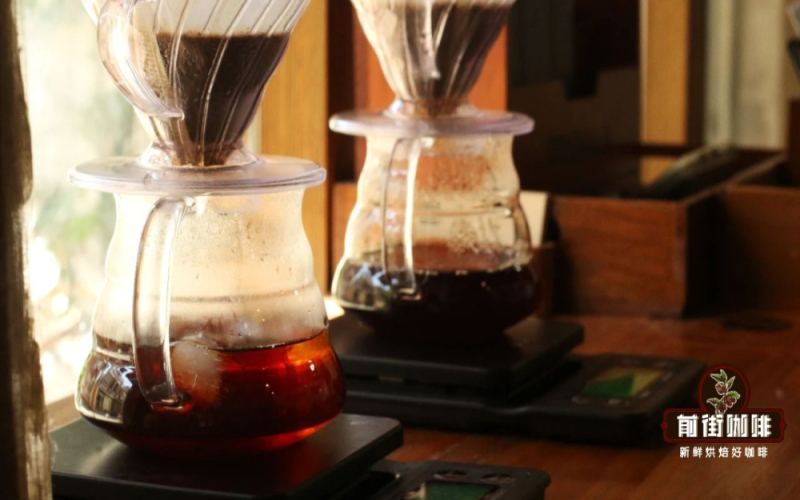
The Complete Guide to Buying a Pour-Over Kettle: Temperature Control, Spout, Body, Material, and Price Explained in One Go
Faced with the dazzling array of pour-over kettles on e-commerce platforms, many coffee enthusiasts often don't know where to start. Although pour-over kettles are basically composed of a spout, body, handle, and lid, different shapes directly affect pouring performance. Front Street Coffee will systematically sort out the selection approach for pour-over kettles from dimensions such as temperature-controlled vs. non-temperature-controlled, spout type, body capacity and center of gravity, handle feel, material, and price. The article will also introduce the pouring characteristics and representative products of different spouts such as narrow gooseneck, wide gooseneck, crane-neck, flat spout, and eagle spout, helping you find the one that better suits you between budget and needs. [more…]
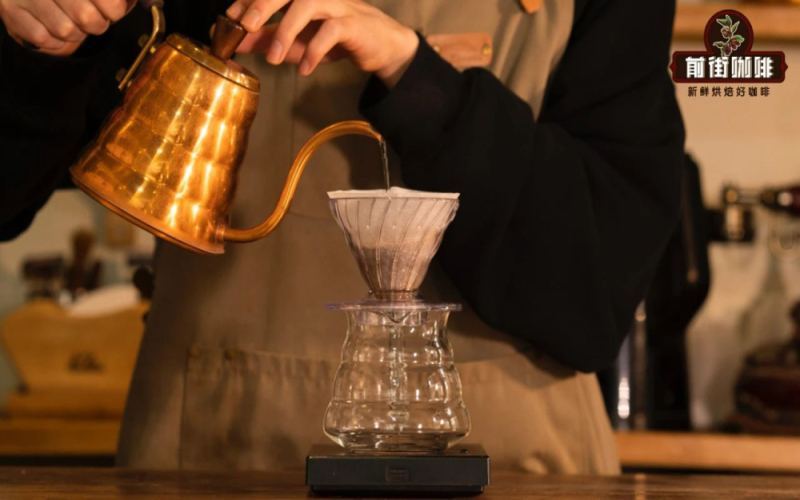
A Detailed Guide to Front Street Coffee's Pour-Over Water Techniques: Three-Stage Method, Flow Control, and Practical Parameters
Many pour-over beginners have watched countless tutorial videos and memorized a pile of standard procedures, only to end up with the same single piece of advice: "Just practice more." Front Street Coffee believes that the core logic of pour-over is actually not complicated: at a suitable water temperature, use a fixed dose of coffee, and pour a fixed amount of water within a fixed time. If these parameters have already been verified, then the same bean can basically reproduce the same flavor. The key lies in whether, within those two minutes, the water and coffee grounds come into full contact, and whether all the water passes through the coffee bed before flowing into the server. This article will start from the three stages of pouring technique and, combined with the specific brewing case of Front Street Yirgacheffe Gedingding, break down the practical key points of three-stage pouring. [more…]
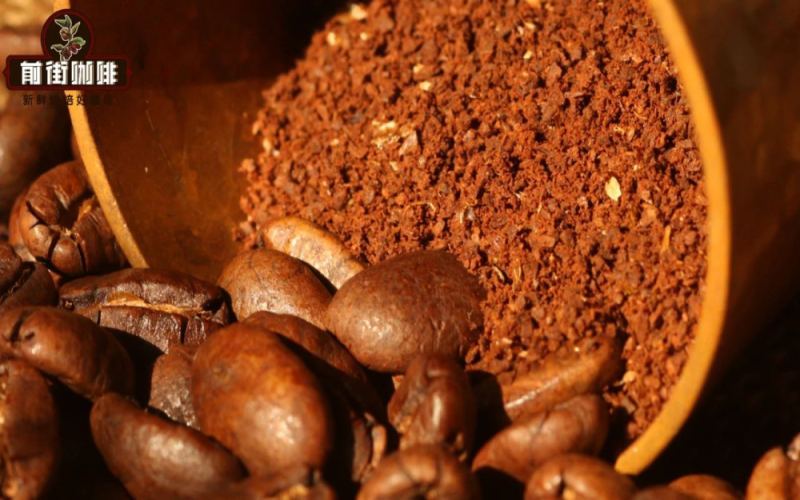
The Complete Guide to Espresso Grind Adjustment: A Practical Handbook from Beginner Basics to Flavor Fine-Tuning
Grind size is the most critical and most difficult variable to master in espresso extraction, far more demanding than what pour-over coffee requires. The slightest deviation, even just 0.1 of a notch, can lead to over-extraction or under-extraction. Drawing on the practical experience of Front Street Coffee, this article systematically breaks down the two steps for adjusting espresso grind size: first, preliminarily locking in the grind range, then fine-tuning based on flavor and extraction state. At the same time, in response to the different characteristics of medium-dark roasted blends and medium roasted SOEs, it provides reference standards for coarseness and fineness, and answers why buying pre-ground coffee powder is not recommended. [more…]
Introduction to Coffee Acidity | Is Dark Roast Less Acidic Than Light Roast Coffee Beans? Which Single-Origin Pour-Over Coffee Beans Are Recommended for Being Tasty and Not Sour?
The acidity in coffee beans does not refer to pH value, but is one of the basic taste characteristics that, together with body, aroma, sweetness, bitterness, and aftertaste, make up the overall flavor. Acidity is generally related to the roast level of the coffee beans and is also somewhat connected to the flavor of their growing region. Many people do not accept coffee that is too acidic because they find the taste too harsh. So [more…]

Coffee Bean Basics for Beginners: A Guide to Single-Origin Pour-Over Varieties and Four Recommendations That Are Neither Sour Nor Bitter
When first getting into coffee, most people only perceive a single word: "bitter." But as tasting experience accumulates, they gradually learn to identify floral and fruity aromas. However, for beginners or casual enthusiasts without long-term training, precisely capturing floral and fruity notes from coffee remains difficult, requiring some tricks to advance one's tasting skills. Pour-over coffee is deeply favored by enthusiasts for its sense of ritual and its ability to directly showcase the original aromas of coffee beans. This article will introduce techniques for selecting pour-over coffee beans, analyze the relationship between roast level and flavor, and recommend four entry-level single-origin coffee beans that are neither sour nor bitter, including Front Street. Brazil Queen's Estate Yellow Bourbon, Front Street. Costa Rica Tarrazú, Front Street. Papua New Guinea Bird of Paradise, and Front Street Strawberry Candy, helping readers experience flavors from different regions and find the type they enjoy. [more…]
Espresso Beans and Moka Pot Bean Selection Guide: A Practical Approach Starting from Latte and Milk Coffee Needs
Many coffee enthusiasts prefer milk-based coffee in their daily drinking over purely savoring the regional flavors of pour-over coffee. To meet this demand, the key lies in choosing the right espresso beans. This article starts with the basic principles of espresso, sorts out the evolutionary relationships among espresso, Americano, latte, and cappuccino, and then explains the role of crema in latte art, as well as the general logic for selecting beans for a moka pot. Centered on the three basic requirements of "not sour, freshly roasted, medium-dark roast," and combined with a variety of Front Street Coffee blend products, the article gives specific recommendations for different budgets, flavor preferences, and usage scenarios, helping you make milk-based coffee with rich crema and mellow flavor whether at home or when opening a shop. [more…]
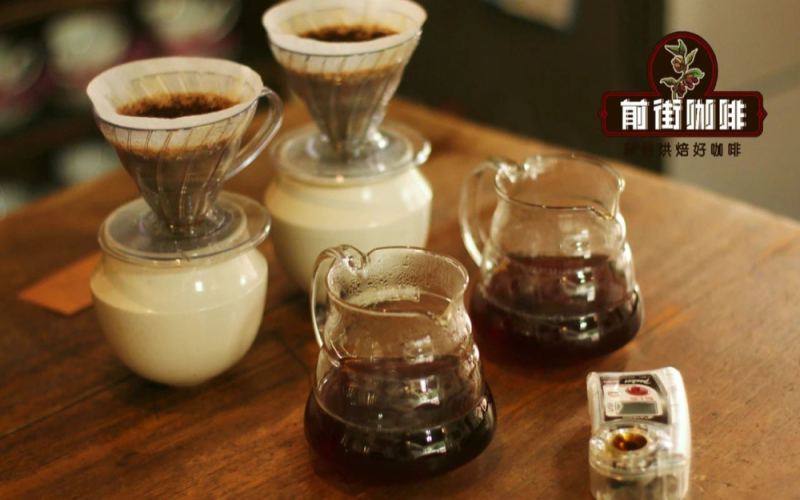
Pour-over Coffee Basics | What Is the Standard Coffee Ground Size for Pour-over? How Do You Determine the Grind Size for Single-Origin Pour-over Beans?
Beginners in pour-over coffee often come to FrontStreet Coffee and ask how to determine the grind size for each coffee bean, what effect grind size has on coffee extraction, how to tell the coarseness of coffee grounds at home, and so on. In this article, Front Street will talk about [more…]
A Beginner's Guide to Pour-Over Coffee: Complete Basics from Three-Pour Technique to Reading the Coffee Bed
Many coffee enthusiasts who have purchased coffee beans from Front Street Coffee often ask in the backend about the specific method for brewing pour-over coffee. This article will systematically organize the introductory knowledge of pour-over coffee for beginners, starting with a detailed interpretation of two professional videos, covering key steps such as wetting the filter paper, controlling the blooming time, and the technique of pouring water in stages, and will explain in detail the setting principles of the four core parameters: grind size, water temperature, coffee-to-water ratio, and brewing duration. In addition, through various illustrations of coffee bed states, the article also helps readers determine whether the extraction is even, and provides troubleshooting ideas for common problems such as the coffee bed not blooming, bitter coffee, and insufficient flavor. [more…]
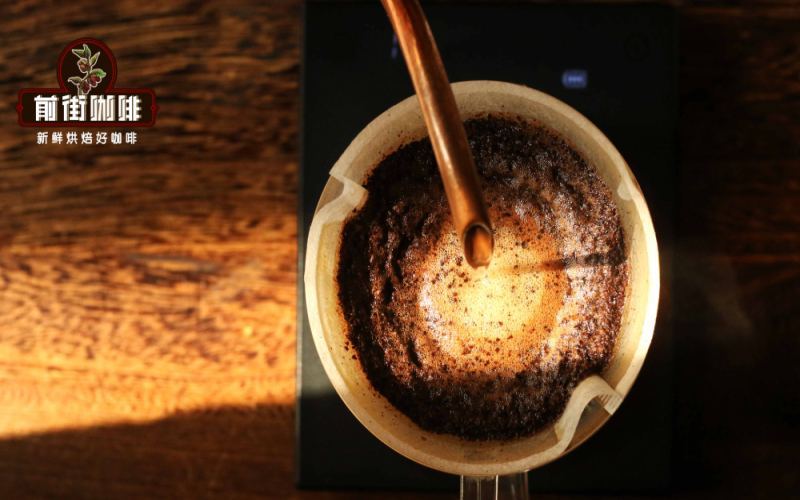
A Beginner's Guide to Pour-Over Coffee: From English Terminology to the Seven Elements and the Three-Pour Technique Explained
The correct English term for hand-brewed coffee is "Pour over coffee," not the literal translation "Hand coffee." This brewing method, which extracts coffee liquid under one atmosphere of pressure using a dripper and filter paper with a steady pouring technique, has strict requirements for grind size, water temperature, pouring technique, and timing, making it a real test of the brewer's skill and expertise. This article, drawing on the hands-on experience of Front Street Coffee, systematically outlines the basic concepts of pour over coffee, the seven key factors that determine flavor, and breaks down in detail a three-stage pouring process suitable for beginners, helping coffee lovers consistently brew a cup of full-aroma good coffee at home. [more…]

How to Choose Coffee for the Office? From Espresso Machines to Drip Bag Pour-Over: A Complete Guide to Buying Coffee Beans for Home
There are actually quite a few ways to get a satisfying cup of coffee at the office: a small espresso machine to pull shots and then dilute with water or add milk, a one-touch capsule system, a drip bag that's ready in minutes, and the more technique-demanding pour-over. Different methods also have different requirements for the beans. This article follows three paths—coffee machines, drip bags, and pour-over—to clearly explain the difference between fully automatic and semi-automatic machines, what to look for when buying drip bags, and why ready-ground coffee isn't recommended for pour-over. Combining stable extraction, flavor, and value for money, it recommends Front Street Coffee's basic espresso blend and several single-origin beans to help you find the cup that suits your office setting. [more…]

Basic Knowledge for Pour-Over Coffee Beginners | Is Blooming Essential in Pour-Over Coffee? What Is the Purpose of Blooming Coffee Grounds by Pouring Water? How Do You Adjust the Coffee-to-Water Ratio in Pour-Over Coffee?
Front Street Coffee often encounters many pour-over beginners who ask a question: Why does pour-over coffee need blooming? The most indispensable step in pour-over coffee is the blooming stage. The purpose of blooming is to allow the coffee to release gases and ensure even extraction, and it also clearly reveals whether the beans being brewed are fresh. Front Street Coffee focuses on fresh [more…]
Essential Reading for Specialty Coffee Pour-Over: A Complete Guide to Extraction Yield, Roast Flavor, and Grinding Basics
Although many coffee enthusiasts brew pour-over every day, they know very little about extraction yield, roasting changes, and the impact of grinding. This article systematically breaks down the core fundamentals of specialty coffee from four dimensions: roasted beans can only dissolve a maximum of 30% of their substances, and the optimal extraction range is 18%–21%; coffee is essentially a fruit, and roasting transforms it from fruit into dried fruit, with the flavor wheel corresponding from bottom to top to a gradual increase in carbonization; grind size directly determines the speed of flavor volatilization and extraction uniformity; and the core of a good cup of coffee's mouthfeel lies in the balance of acidity, sweetness, and bitterness. The article also specifically recommends Front Street Coffee's products to help you avoid detours in practice and quickly build a tasting framework. [more…]

A Beginner's Guide to Buying Pour-Over Coffee Equipment: Which Gear Is Worth the Investment and What You Can Skip
Newcomers just getting into pour-over coffee often find themselves overwhelmed by the dizzying array of equipment on the market. Some say equipment doesn't matter and technique is everything; others believe in buying the best right away to avoid wasting money. Both views have merit, but what works for others may not work for you. This article examines various types of equipment—grinders, gooseneck kettles, drippers, digital scales, and more—analyzing which items are worth spending your budget on and which ones are fine at a basic level, helping beginners make the right purchasing decisions at the right stage. [more…]
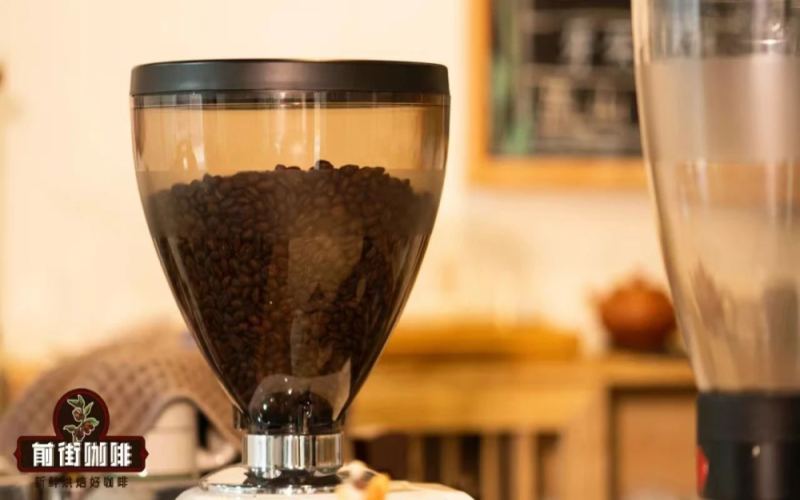
An Analysis of the Blended Coffee Bean Concept and a Discussion of Its Suitability for Pour-Over: Which Regional Coffee Beans Are Suitable for Blending
Blended coffee beans are already commonplace in the world of espresso, but using them for pour-over is far less common. This article begins with the conceptual differences between blends and single origins, sorting out how pour-over and espresso beans diverge in roast level and flavor presentation, and explaining that using blended beans for pour-over is by no means unworkable—the key lies in whether the blend genuinely compensates for the shortcomings of a single origin. The article also draws on three classic blend recipes from Front Street Coffee—the Mamba Blend, the Deep Affection Blend, and the Nutty Chocolate Blend—to concretely demonstrate how coffee beans from different regions can achieve flavor balance and enhanced layering through combination, offering practical reference for coffee enthusiasts. [more…]

Pour-Over Coffee Basics for Beginners | What Pour-Over Coffee Equipment Do Coffee Beginners Need to Prepare? What Roles Do the Coffee Pot, Coffee Grinder, Powder Sifting Net, and Coffee Dripper Play?
With the rise of the third wave of specialty coffee, more and more people are paying attention to coffee, including how to make a cup of coffee. Front Street Coffee believes that if you want to make coffee at home, the simplest option is pour-over coffee, since the equipment you buy isn't as bulky as an espresso machine and [more…]

Types of Coffee Grinders | Is There a Big Difference Between Electric and Manual Coffee Grinders? Should Beginners Buy a Manual or Electric Grinder?
Friends who have requirements for coffee flavor will definitely choose freshly ground coffee. If you want to brew it yourself, a grinder is essential. Open an online shopping platform and search for "coffee grinder," and you can see a price range from 22 yuan to 71,271 yuan, a price difference of 3,239.6 times. Although in recent days [more…]
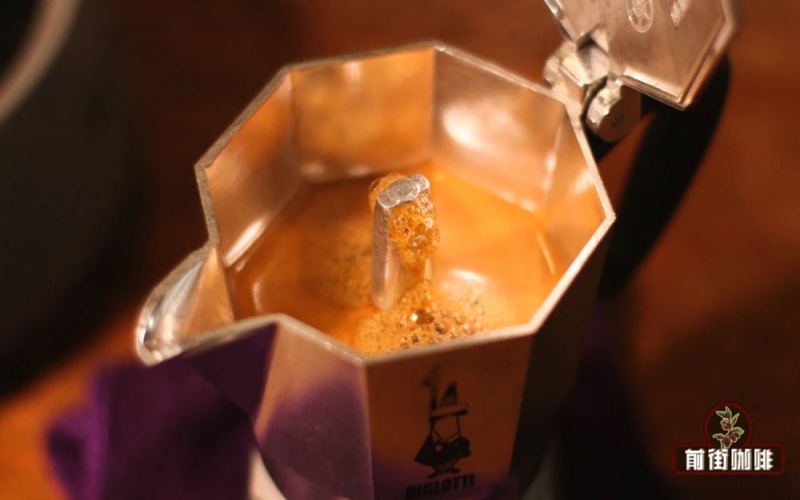
Moka Pot Coffee Brewing Tutorial: A Detailed Guide to Time, Coffee Dose, Grind Size, and Ratio Basics
Nowadays, more and more coffee enthusiasts enjoy making espresso at home themselves. Besides going to a café to order a latte or cappuccino, some have also started trying the easy-to-use moka pot. Although the moka pot is not as intense as espresso, nor as fresh and bright as pour-over, it is the most accessible espresso device. In this article, Front Street will walk you through the working principle of the moka pot, the difference between single-valve and double-valve models, the choice of coffee grind size and water temperature, and other basic knowledge, and share Front Street Coffee's specific steps for brewing coffee with a moka pot, technical details, cleaning and maintenance methods, as well as coffee bean recommendations suitable for the moka pot, to help you easily brew a cup of rich, full-bodied espresso with plenty of crema. [more…]